

Dear Black Men: We Still Need You To Teach
A decade after calling on Black men to teach, the invitation remains — along with a responsibility to prepare, support and retain them.

Christian Nationalism Is Confederate Christianity
David W. Marshall traces Christian nationalism's roots to Confederate Christianity, the pre-Civil War ideology that justified slavery as divinely sanctioned. He examines Jan. 6 symbolism—Confederate flags, crosses, nooses—and explores how Texas Senate candidate James Talarico challenges assumptions that evangelical Christians must vote Republican, potentially disrupting this historical political alliance.
Hunger Doesn’t End With September
Julianne Malveaux examines rising food insecurity across Washington DC, Chicago, and Los Angeles, highlighting stark racial disparities and the wealth gap that leaves Black families most vulnerable. She critiques recent SNAP restrictions that pushed millions off benefits and argues that charity alone cannot fix systemic failures, calling for lasting policy action beyond Hunger Action Month's symbolic gestures.

An Assault On A Free Press Threatens Every American
Marc Morial condemns the White House's expulsion of major media outlets from the press pool, calling it an authoritarian assault on press freedom reminiscent of 1930s tactics. He highlights the launch of "Trump TV," past targeting of Black journalists like April Ryan, and warns this censorship distracts from pressing issues while endangering democracy and marginalized communities' access to truth.
The Audacity Of Joyce Beatty
Rep. Joyce Beatty stands nearly alone on the Kennedy Center board, using lawsuits rather than statements to block Trump's attempted takeover of the JFK memorial institution. Julianne Malveaux contrasts Trump's "criminal audacity" with Beatty's "righteous audacity," questioning what Black political power achieves beyond access, and honoring her courage alongside Barbara Lee, Barbara Jordan and Maxine Waters.

Converse, Target And The Cost Of Who Isn’t In The Room
Recent racially offensive missteps by Converse and Target—an ad resembling a KKK hood and lynching imagery, and a blackface-reminiscent Halloween costume—highlight the risks companies face when diverse perspectives are absent from decision-making. As corporations retreat from DEI initiatives, these incidents illustrate how diversity's value often lies in preventing costly, embarrassing mistakes before they reach consumers.
The Power Of Spoken Words
David W. Marshall explores how presidential words shape history, from FDR's fireside chats and Jefferson's "all men are created equal" to Lincoln, Johnson, and MLK's echoes of that phrase. He contrasts unifying rhetoric with damaging words like Nixon's, arguing that leaders' language, backed by action, defines America's moral and political legacy.
Recognition, Representation, And The Unfinished Work Of Inclusion
Marc Morial examines the 2026 Emmy Awards, where no actors of color won in any category, echoing the #OscarsSoWhite movement from a decade ago. He argues this reflects systemic issues in Hollywood's recognition systems, not talent shortages, and calls on the television industry to embrace diversity reforms that strengthen artistic excellence and ensure fair representation.
Don’t Blame AI Without Blaming The People Behind It
Dr. Barbara Reynolds argues AI itself isn't inherently evil, but the corporations and people controlling it are. Citing warnings from researchers, Bill Gates, and religious leaders including the National Black Church Initiative and Pope Leo XIV, she calls for accountability and regulatory guardrails, invoking Dr. King's prophetic warnings about unchecked technological power without moral wisdom.

Democrats Should Take Trump’s $5,000 Promise Seriously
Kevin Harris argues Democrats shouldn't dismiss Trump's proposed $5,000 "Trump Dividend" despite its unclear funding and feasibility. Like tariffs and "no tax on tips," the promise offers voters simple, concrete relief. Democrats must counter with equally clear economic plans rather than technical critiques, or risk losing working-class voters anxious about living costs.
Must Read
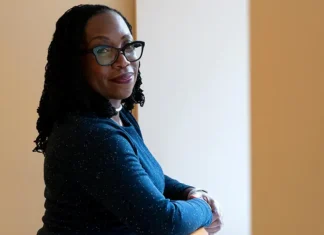
Why Justice Ketanji Brown Jackson Goes It Alone
Justice Ketanji Brown Jackson over the past two years has been nearly as visible on the book circuit as she has been at the Supreme Court, recounting her personal struggles and professional successes and emphasizing that she is the embodiment of her “ancestors’ dreams.”