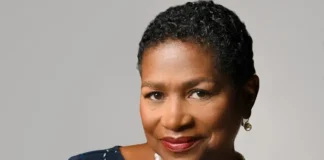


By Angela Greene and Barbara Reynolds
(Trice Edney Wire) – As the Trump administration announces an expanded campaign to combat Medicaid fraud, many Americans will hear only the promise of rooting out waste and abuse. Far less attention is being paid to another concern voiced by some physicians, attorneys and civil rights advocates: whether aggressive fraud enforcement has historically fallen hardest on doctors serving poor communities, particularly Black physicians.
For decades, physicians who treated large numbers of Medicaid patients have argued that fraud investigations often blurred the line between criminal misconduct and regulatory mistakes. Billing disputes, coding errors and documentation deficiencies, they contend, were sometimes escalated into criminal investigations carrying devastating professional and personal consequences.
Tose concerns are explored in the forthcoming book Legalized Extortion: How the Government Hunted Black Doctors for Treating Poor and Elderly Medicaid Patients. Drawing upon decades of reporting, interviews and case studies, we examine allegations that aggressive enforcement practices disproportionately affected physicians who devoted their careers to caring for Medicaid recipients.
Beginning in the 1980s, former USA TODAY columnist Barbara Reynolds, investigated Medicaid fraud prosecutions across the country, interviewing physicians, investigators, prosecutors and families whose lives had been upended. More recently, Atlanta journalist Angela Greene expanded that investigation, documenting physicians who say they faced overwhelming financial penalties, criminal charges and professional ruin arising from what they maintain were administrative violations rather than intentional fraud.
Many physicians described similar experiences. Armed raids on medical offices frightened patients away before guilt or innocence had been established. Some doctors lost their practices, their life savings and their medical licenses. Even physicians later cleared of wrongdoing often found their reputations permanently damaged. Several families reported tragedies that included depression, financial collapse and suicide.
The administration has emphasized that expanded fraud enforcement is intended to protect taxpayers and preserve Medicaid for those who need it. Few would argue against prosecuting genuine fraud. The question is whether enforcement mechanisms include sufficient safeguards to distinguish deliberate criminal conduct from complex billing disputes and documentation errors—particularly for physicians practicing in underserved communities where administrative resources are often limited.
This debate extends beyond physicians. Black Americans already face persistent shortages of Black doctors, who comprise less than five percent of the nation’s physicians. Research has shown that many Black patients experience improved communication, trust and, in some circumstances, better health outcomes when treated by physicians who share similar cultural backgrounds. Any policy that further reduces that workforce deserves careful public scrutiny.
The solution is not to weaken efforts against genuine fraud. Rather, policymakers should examine whether current investigative practices adequately protect due process while ensuring access to healthcare in medically underserved communities. Proposals advanced by physician advocacy groups—including reforms to administrative review procedures, increased transparency, independent oversight and stronger due process protections—deserve thoughtful bipartisan consideration.
At a time when America faces physician shortages and widening healthcare disparities, the nation cannot afford policies that discourage doctors from serving Medicaid patients. If physicians conclude that caring for the poor carries an unacceptable legal risk such as fines and imprisonment, it is vulnerable communities—not fraudsters—that will pay the highest price.
Dr. Barbara Reynolds was a former editorial director and columnist for USA TODAY and author of eight books including the memoirs of Coretta Scott King. Angela Greene is a radio journalist in Atlanta and author of the book Legalized Extortion.