
Why Trump Hates Black Women
Dr. E. Faye Williams argues that Trump surrounds himself with compliant, limited women while fearing powerful Black women who challenge him, citing Lisa Cook, Ketanji Brown Jackson, Letitia James, Ilhan Omar and others. She contends Black women, inspired by historical trailblazers, remain undeterred and will mobilize at the polls despite his efforts.
While Black Families Pay More For Power, Some Attorneys General Fight To Save High-Cost...
As electricity prices climb, Black households already pay 43 percent more than white households for energy. Yet instead of tackling grid bottlenecks and permitting delays, state attorneys general led by Texas are suing asset managers over coal production, framing lawsuits as consumer protection while really shielding a declining industry from market competition.

Ilhan Omar Isn’t Above The Law. Neither Is The Justice Department.
The reported search of a sitting Congress member — who is also a Black woman — underscores why federal law enforcement must remain independent of partisan politics.

Expanding Access To Homeownership Isn’t A Scandal. Ignoring The Crisis Facing American Families Is.
Marc H. Morial criticizes HUD's investigation into Wells Fargo's Black homeownership initiatives, arguing it punishes efforts to address historic housing discrimination rather than the discrimination itself. He warns this chills lender innovation, deepens the racial wealth gap, and defends inequality under the guise of fairness, urging expanded access to credit and homeownership instead.

Three Months, No Charges
Months after an Immigration and Customs Enforcement officer shot and killed Johan Sebastián Durán Guerrero in Biddeford, Maine, no one has been charged.
Don’t Throw In The Towel
Dr. E. Faye Williams criticizes Trump and his family for profiting from government contracts while everyday Americans struggle financially. Despite widespread hardship and disillusionment, she urges readers not to give up hope and to vote on November 3rd for change.
A Strong Economy For Whom?
Economist Julianne Malveaux challenges Trump's claim of having "the greatest economy in history," citing weak job growth, rising Black unemployment nearly double the white rate, soaring gas and diesel prices, farmers facing crisis-level fuel costs, and inflation squeezing groceries and heating oil—asking who truly benefits from this celebrated prosperity.

Governing A Blue City In A Red State
Jackson, Mississippi exemplifies the struggles blue cities face in red states, as Republican lawmakers repeatedly blocked funding for critical water infrastructure, contributing to the 2021 water crisis affecting 40,000 residents.
It’s Time For The Department Of Education To Stop Destroying the Dreams Of The...
New federal student loan caps and the elimination of Graduate PLUS loans are forcing students, disproportionately Black, out of college and graduate programs. Marc Morial criticizes the Department of Education's targeting of majors like social work and cuts to diversity funding, urging restored support for higher education and HBCUs instead of limiting students' dreams and economic futures.
MMM 32nd Anniversary!
Dr. E. Faye Williams reflects on the Million Man March's 32nd anniversary, recalling her role as Co-Chair alongside Dr. Benjamin Chavis and the involvement of women like Linda Mercado Greene and Nisa Muhammad. She previews the Atlanta celebration on October 10-11 and urges unity, drawing on Minister Farrakhan's legacy and the spirit of togetherness.
Must Read
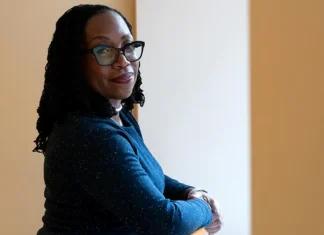
Why Justice Ketanji Brown Jackson Goes It Alone
Justice Ketanji Brown Jackson over the past two years has been nearly as visible on the book circuit as she has been at the Supreme Court, recounting her personal struggles and professional successes and emphasizing that she is the embodiment of her “ancestors’ dreams.”