

By Hazel Trice Edney
(Trice Edney News Wire) – America’s freight rail network is more than an economic engine. It is a force that shapes daily life in the cities across America where people live, work, raise their families and breathe the air.
From Chicago to Kansas City, from Memphis to Houston, New Orleans, and beyond, the flow of goods across our rail lines and highways affects neighborhoods, streets and communities. A large part of that impact – whether economic, health or otherwise – lands squarely and disparately upon African-Americans and other racial minorities, the poor and underrepresented.
The price of shipping those goods also has a direct impact on affordability and our standard of living. Transportation is built into the cost of almost everything people buy, from groceries and clothing to building materials and fuel. When freight moves more efficiently, families feel the difference. It is time to see freight rail policy not just as a business or logistics issue but as a matter of community health, urban quality of life and fair opportunity for all.
Our nation’s freight rail system grew over generations largely because of geography. It connected the Gulf of Mexico to the Midwest and the Atlantic to the nation’s interior. Large inland hubs such as Chicago became vital crossroads for shipments of food, fuel, building materials and manufactured goods. Those cities built jobs and prosperity around freight activity. But they also inherited the burden of congestion and pollution.
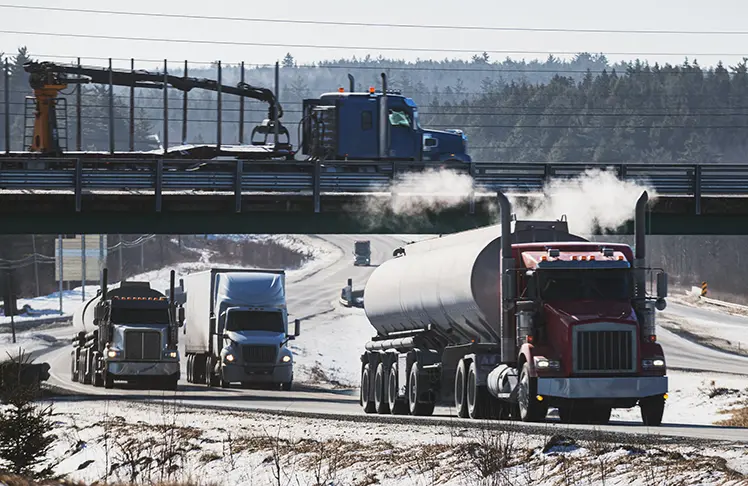
Chicago is the most visible example, but it is not the only one. In congested freight corridors across the country, thousands of short-haul truck trips clog urban expressways and local roads each day. That is because the current rail system requires many freight shipments to hop between carriers and terminals before reaching their final destination. Analysts estimate that in the Chicago region alone roughly one million rail shipments per year are hauled by truck between intermodal facilities to speed transfers across the city.
Those truck trips are not abstract numbers. They translate into steep costs for families in freight corridor communities. Trucks add to rush hour traffic. They wear down local roads and bridges. In neighborhoods located near intermodal yards and major freight arteries they contribute to elevated levels of diesel exhaust. This is not just inconvenience. It is an environmental injustice. Many of the neighborhoods that carry the heaviest freight burdens are working-class communities that have done little to cause the problem but experience its worst effects.
We can do better. A proposed merger between two major rail carriers presents a chance to address these long-standing structural problems in the freight network. The goal is to integrate routes so that thousands of interline handoffs become unified single-line service from one end of the country to the other. That matters because it reduces the need for rail traffic to be transferred between different companies and terminals, which in turn means fewer truck transfers between facilities.
A more unified rail network would improve service reliability. It would reduce unnecessary truck traffic. It would ease congestion on urban roadways that already strain under commuter and freight volumes. Residents would experience shorter travel times, fewer diesel emissions and cleaner air near their homes and schools.
The environmental difference between rail and truck freight is not small. Federal transportation data shows that freight rail can move a ton of goods more than three times farther on a gallon of fuel than long haul trucking. On average, rail produces roughly 70 to 75 percent fewer greenhouse gas emissions per ton mile than trucks. Each container that shifts from highway to rail reduces fuel use and lowers carbon output. For cities that sit along major freight routes, that shift can translate into measurable air quality gains over time, especially in neighborhoods already burdened by diesel traffic.
The benefits of a more efficient freight rail system extend beyond urban quality of life. Reliable freight movement supports local economies. Midwest manufacturers, agricultural producers and Gulf Coast ports depend on timely shipments to remain competitive. When freight moves smoothly by rail, local businesses can lower their transportation costs and operate with greater certainty.
Research shows that increases in trucking costs tend to result in higher consumer prices than similar increases in rail costs. Rail helps stabilize consumer prices and acts as a buffer against freight cost shocks. When more freight moves efficiently by rail, transportation costs fall across supply chains for groceries, construction materials, energy products and consumer goods. Those savings do not stay on paper. They move through the system and show up in the prices families pay. Lower freight friction supports more stable prices and helps protect household budgets from sudden shipping cost spikes.
Leadership from rail labor also matters. The nation’s largest rail labor union, SMART-TD, fully supports the merger because they see benefits for the thousands of workers at Union Pacific and Norfolk Southern. When workers who understand daily rail operations support integration, it signals that the changes may improve career opportunities and system stability rather than weaken them. This is not blind faith in corporate deals. It is recognition that efficient infrastructure supports both workers and communities.
We have seen what happens when legacy freight systems struggle under modern demand. Cities such as Chicago illustrate the consequences of a network that requires frequent handoffs and redundant transfers. Those inefficiencies push freight onto already crowded highways where trucks must fill the gaps. The result is more congestion and more pollution in urban neighborhoods that can least afford it.
Policy makers should consider freight rail not only in terms of corporate strategy or industry structure but in terms of community impact. Freight policy is urban policy. Decisions about how our rail networks are organized affect daily life across the country. A pro-efficiency rail merger is not just about joining companies. It is about reducing unnecessary truck traffic in our cities, improving air quality for residents, and strengthening the reliability of a system that supports jobs and commerce nationwide.
For too long freight growth has been measured only in tons and schedules.
It must also be measured in cleaner air, safer roads and healthier communities. Our cities, our families and our neighborhoods deserve nothing less.