


Rep. Justin Jones: “The Land Is Connected To Our Liberation”
Tennessee Rep. Justin Jones discusses his advocacy for Black farmers, including honoring Black-owned Century Farms, opposing USDA waiver rollbacks, fighting corporate agricultural monopolies, and blocking AI data centers on farmland. He connects food sovereignty to racial justice, reflecting on his expulsion, reinstatement, and efforts to preserve Black agricultural legacy across generations in Tennessee.

Cash For Moms: As Medicaid Cuts Loom Cities Test A New Approach To Black...
Pilot programs in Atlanta and New Orleans are testing unrestricted cash payments to pregnant Black women, showing reduced stress, better birth outcomes, and fewer preterm births. As Medicaid cuts loom and federal support for direct aid stalls, advocates push guaranteed income models like Michigan's Rx Kids, even amid political pushback against race-conscious maternal health initiatives.

HHS Cuts Minority Health Budget For RFK Jr.’s Security
Although the increased security costs are said to total $7 million, HHS cut $12 million from the Office of Minority Health to cover the expenses.

Trump’s Huge Tariffs On Some Drugmakers Could End Up Backfiring
President Donald Trump’s order to levy 100% tariffs on certain patented pharmaceutical products and ingredients takes effect on Tuesday.

The Trump Administration Said It Would Prioritize Ending Mother-To-Child Hiv Transmission. Health Workers Say...
Dr. Theopista Masenge was at the hospital in Mbeya, Tanzania, rolling out new treatments for children with high HIV viral loads when she got the call: Stop work, now.

12-Year-Olds With Smartphones Are More Likely To Develop Eating Disorders By 14
A new study in JAMA Network Open finds 12-year-olds with smartphones are more likely to develop eating disorder symptoms by 14 than peers without devices. Researchers say social media exposure to curated images fuels body dissatisfaction. Experts recommend delaying phone access, setting guardrails, and maintaining open conversations about online content and body image.

After The Clancy Mistrial, Postpartum Issues Get A Fresh Look
The mistrial in Lindsay Clancy's murder case has spotlighted postpartum mental illness nationwide, exposing gaps in maternal care especially for Black mothers, who face lower screening and treatment rates despite rising depression risks. New polling reveals widespread dissatisfaction with postpartum support, prompting Massachusetts to propose expanded funding for mental health screening and home visiting programs for new families.

‘The Most Manipulative Machine Ever Built’: AI Chatbots And Mental Health
A growing number of Americans, especially Black teens and young adults, are turning to AI chatbots instead of licensed professionals for mental health crises, even as suicide rates climb and insurance coverage shrinks. Experts warn chatbots lack guardrails, can manipulate vulnerable users, and sometimes worsen crises rather than provide genuine therapeutic support.

Black Patients Aren’t Avoiding Clinical Trials. They Often Aren’t Asked
Black Americans remain underrepresented in clinical trials despite research showing they're willing to participate when asked. A Congressional Black Caucus Foundation panel explored barriers like historical distrust, transportation, and awareness gaps. Merck's Dr. Adrelia Allen and lung cancer survivor Barry Nelson shared personal stories, highlighting efforts like "Let's Talk Trials" to boost representation and improve outcomes for underrepresented communities.

Many Women Report Being ‘Dismissed’ By Doctors. The Problems Extend Far Beyond The Exam...
A new Gallup and Pivotal survey reveals one-third of US women struggle to have their symptoms taken seriously by doctors, with 51% reporting negative healthcare experiences versus 39% of men. These disparities affect work, family life, and overall wellbeing, prompting experts to call for systemic change alongside patient advocacy strategies.
Must Read
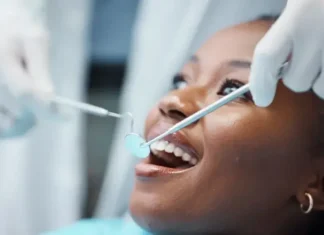
What Black Americans Need To Know About Gum Disease
According to a CDC report, almost 1 in 3 Black adults have at least one untreated cavity, compared with roughly 18% of white adults. Atlanta dentist Dr. Jamar McKay explains why oral health is important.