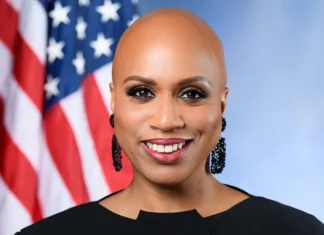

Rep. Janelle Bynum, D-Ore., has withdrawn support for the Student-Athlete Compensation, Oversight, and Revenue Equity Act, or SCORE Act, ahead of an expected House vote this week, stepping away from legislation that Bynum helped introduce as a co-lead sponsor.
Bynum announced the decision this week, saying additional bipartisan work is still needed to address protections for student-athletes navigating the rapidly evolving landscape of college athletics following the emergence of name, image, and likeness compensation.
“In an ideal world, politics and sports would never have to meet,” Bynum said in a statement. “There would always be a level playing field both in the game and in the Capitol. But we know we are living in uncommon times.”
Bynum said the NIL era has fundamentally changed college athletics and created new challenges involving athlete protections, compensation, and oversight.
“From the beginning, I’ve been clear that NIL has made college sports the Wild Wild West for our students and that this bill needed bipartisan work to deliver the solutions we need to compensate student athletes for their time, energy, and physical strain,” Bynum said.
Bynum said concerns remain over protections for student-athletes, particularly around predatory contracts and compensation structures that could affect athletes’ long-term financial futures.
“Most importantly, we need to protect them from predatory contracts and insufficient compensation that have lifelong implications for their economic future,” Bynum said. “That is still a work in progress.”
Bynum also connected the debate surrounding NIL and student-athlete compensation to broader concerns involving athlete rights and representation.
“What is happening in America right now should be a wake-up call to everyone,” Bynum said. “The big-time conferences, especially in the South, want our babies’ lungs, but don’t want their voices. They want the power of their bodies to score a touchdown, but will look away when they ask for their freedom to walk into the voting booth.”
The comments suggest Bynum’s concerns extend beyond compensation structures and include broader questions surrounding student-athlete protections, empowerment, and long-term rights.
The SCORE Act, introduced in July 2025, was designed to establish a national framework governing NIL rights and compensation for college athletes. Bynum co-led the legislation with Rep. Gus Bilirakis, R-Fla., as lawmakers sought to create federal standards to replace the current patchwork of state NIL laws.
Supporters argued the legislation would help preserve educational opportunities for student-athletes, protect non-revenue sports programs, and create more consistent competitive standards between larger athletic programs and smaller schools.
Among its major provisions, the bill proposed federal NIL guidelines requiring transparency in athlete compensation agreements and regulating NIL agents to help protect student-athletes from exploitation.
The legislation also included educational and healthcare provisions requiring universities to offer programs such as financial literacy and health education while providing healthcare support for former student-athletes for up to three years after graduation.
The proposal further included oversight provisions tied to institutional agreements and Title IX compliance requirements.
In addition, the bill proposed a revenue-sharing model allowing major athletic programs to distribute at least 22% of earnings to student-athletes, potentially amounting to more than $20 million annually at some schools.
The legislation also included limited NCAA antitrust protections intended to help enforce compensation and transfer rules.
The SCORE Act emerged amid sweeping changes in college athletics, including the House v. NCAA settlement, which opened the door for schools to directly compensate student-athletes and share revenue generated through broadcasting and sponsorship agreements.
Supporters of federal legislation have argued a national framework is necessary as states continue adopting different NIL policies and compensation standards.
Bynum’s decision to revoke support introduces new uncertainty for the legislation ahead of the House vote and signals that negotiations surrounding athlete protections and compensation may still be evolving.