




Finances FYI Presented by JPMorgan Chase
It’s impossible to avoid sharing your information online these days, so take extra care to keep your personal data safe and secure.
What Personal Data Is Out There?
As digital consumers, we’re often backed into a corner and feel compelled to share personal information to make purchases or access online content. Something as innocuous as a flyer about community events might require us to log into a site and take a survey.
Any time you browse online, you’re transmitting data to anyone who is clever enough to find it. If you’ve ever entered your email address, full name, phone number, employer, Social Security number, or credit card number, they could all be floating around in digital space.
Zero-Party Data Sharing
The idea of zero-party data sharing has been around for a long time, but the term is gaining popularity as consumers pay more attention to their online security. Zero-party data means that you, as a consumer, shared the information directly. Surveys and polls are common ways for companies to collect this data. Even when you’re giving this information freely, you may be sharing it without considering how it will be used in the future.
First-Party Data Sharing
Companies can also collect data by interpreting a consumer’s behavior online. Everything you click, how long you stay on pages, and the order in which you browse can all give companies useful information. If you’re logged into a site before you start browsing, companies could also tie this data back to you. It’s crucial to be aware that any activity you do online when logged into a site could potentially make its way to unsavory users.
How to Check Your Data Safety
It’s impossible to know whether your data has been compromised without doing some investigative work. You can’t assume that your information is safe just because you haven’t noticed an obvious hacker. Take these steps to find out whether your personal data is still secure.
Free Credit Reports
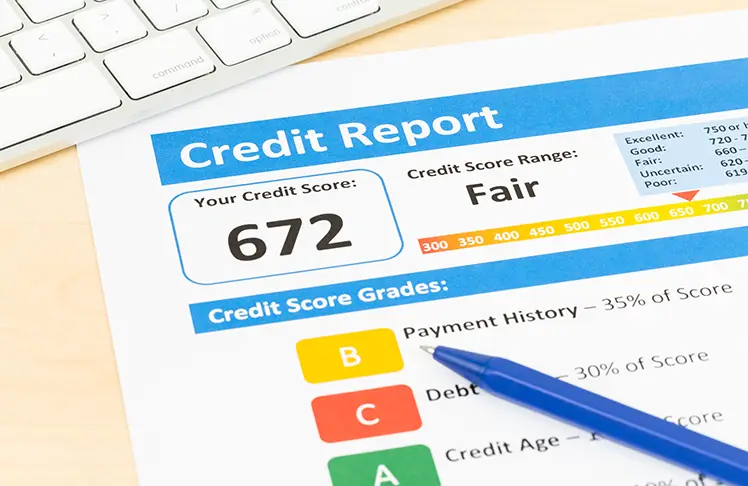
Every 12 months, consumers are entitled to a free credit report from each of the three credit agencies. You can get these from Annual Credit Report. Make a note in your planner to use one of these reports every four months; that way, you can monitor your information throughout the year.
If you notice anything unusual in your credit report, follow up with your financial institutions. The sooner you address a concern, the easier it is to fix things.
Data Breach Sites
When companies experience a data breach, they should notify affected consumers. However, it can take a long time to get that notice (and some consumers never do). Be proactive and check the status of your online accounts by visiting sites that expose data breaches. Have I Been Pwned is one of the most popular services and allows you to search for breaches by email address. The results will tell you when and where your data was leaked so that you can take action.
Proactive Data Protection
Once you’ve checked the current status of your personal data, it’s crucial to take proactive steps to prevent any future leaks.
Monitor Your Accounts
Regularly checking your bank accounts is one of the best ways to proactively protect your information. If you notice anything fraudulent, contact your financial institutions right away and put a freeze on your account. Thieves will often make a very small purchase first to test your account, then move on to bigger items; catching them in the small-dollar range can prevent future problems.
Use Digital Safety Tools
Many companies advertise tools for privacy and online safety. And many of these tools are useful and can help prevent identity theft and fraud. The Federal Trade Commission has valuable information on what monitoring agencies can and cannot monitor, and how you can report suspected fraud or concerns about identity theft.
If you don’t want to pay for a monitoring service or tool, there are many free steps you can take to stay safer online.
- Use a free password manager to store encrypted, strong passwords that are different for every login.
- Use a free or low-cost Virtual Private Network (VPN) when you travel to avoid using unsecured Wi-Fi.
- Do not store your credit card information on individual websites. Use a service like PayPal that helps protect against fraud.
- Use two-factor authentication for your banking logins.
Common Sense Tips
At the end of the day, making careless mistakes makes a hacker’s job easier. Even if you don’t use expensive online safety tools, you can follow these common-sense guidelines to protect your data.
- Don’t use public Wi-Fi for sensitive information.
- Don’t share your passwords or banking information with anyone.
- Don’t store your information in non-encrypted locations.
- Don’t give out personal information over the phone to anyone. If you suspect the caller is legitimate, hang up and dial back the agency’s publicly available number.
Finances FYI is presented by JPMorgan Chase. JPMorgan Chase is making a $30 billion commitment over the next five years to address some of the largest drivers of the racial wealth divide. Finances FYI Presented by JPMorgan Chase
It’s impossible to avoid sharing your information online these days, so take extra care to keep your personal data safe and secure.
What Personal Data Is Out There?
As digital consumers, we’re often backed into a corner and feel compelled to share personal information to make purchases or access online content. Something as innocuous as a flyer about community events might require us to log into a site and take a survey.
Any time you browse online, you’re transmitting data to anyone who is clever enough to find it. If you’ve ever entered your email address, full name, phone number, employer, Social Security number, or credit card number, they could all be floating around in digital space.
Zero-Party Data Sharing
The idea of zero-party data sharing has been around for a long time, but the term is gaining popularity as consumers pay more attention to their online security. Zero-party data means that you, as a consumer, shared the information directly. Surveys and polls are common ways for companies to collect this data. Even when you’re giving this information freely, you may be sharing it without considering how it will be used in the future.
First-Party Data Sharing
Companies can also collect data by interpreting a consumer’s behavior online. Everything you click, how long you stay on pages, and the order in which you browse can all give companies useful information. If you’re logged into a site before you start browsing, companies could also tie this data back to you. It’s crucial to be aware that any activity you do online when logged into a site could potentially make its way to unsavory users.
How to Check Your Data Safety
It’s impossible to know whether your data has been compromised without doing some investigative work. You can’t assume that your information is safe just because you haven’t noticed an obvious hacker. Take these steps to find out whether your personal data is still secure.
Free Credit Reports
Every 12 months, consumers are entitled to a free credit report from each of the three credit agencies. You can get these from Annual Credit Report. Make a note in your planner to use one of these reports every four months; that way, you can monitor your information throughout the year.
If you notice anything unusual in your credit report, follow up with your financial institutions. The sooner you address a concern, the easier it is to fix things.
Data Breach Sites
When companies experience a data breach, they should notify affected consumers. However, it can take a long time to get that notice (and some consumers never do). Be proactive and check the status of your online accounts by visiting sites that expose data breaches. Have I Been Pwned is one of the most popular services and allows you to search for breaches by email address. The results will tell you when and where your data was leaked so that you can take action.
Proactive Data Protection
Once you’ve checked the current status of your personal data, it’s crucial to take proactive steps to prevent any future leaks.
Monitor Your Accounts
Regularly checking your bank accounts is one of the best ways to proactively protect your information. If you notice anything fraudulent, contact your financial institutions right away and put a freeze on your account. Thieves will often make a very small purchase first to test your account, then move on to bigger items; catching them in the small-dollar range can prevent future problems.
Use Digital Safety Tools
Many companies advertise tools for privacy and online safety. And many of these tools are useful and can help prevent identity theft and fraud. The Federal Trade Commission has valuable information on what monitoring agencies can and cannot monitor, and how you can report suspected fraud or concerns about identity theft.
If you don’t want to pay for a monitoring service or tool, there are many free steps you can take to stay safer online.
- Use a free password manager to store encrypted, strong passwords that are different for every login.
- Use a free or low-cost Virtual Private Network (VPN) when you travel to avoid using unsecured Wi-Fi.
- Do not store your credit card information on individual websites. Use a service like PayPal that helps protect against fraud.
- Use two-factor authentication for your banking logins.
Common Sense Tips
At the end of the day, making careless mistakes makes a hacker’s job easier. Even if you don’t use expensive online safety tools, you can follow these common-sense guidelines to protect your data.
- Don’t use public Wi-Fi for sensitive information.
- Don’t share your passwords or banking information with anyone.
- Don’t store your information in non-encrypted locations.
- Don’t give out personal information over the phone to anyone. If you suspect the caller is legitimate, hang up and dial back the agency’s publicly available number.
Finances FYI is presented by JPMorgan Chase. JPMorgan Chase is making a $30 billion commitment over the next five years to address some of the largest drivers of the racial wealth divide.