





Finances FYI Presented by JPMorgan Chase
As the new year gets closer, it’s crucial to think about how you want your life to look going forward.
Now is a great time to reset your goals, declutter your home, and, maybe most importantly, give your finances a security tune-up. Think of it as spring cleaning for your digital wallet.
If you dedicate one day to really look at your finances, you may be able to catch issues early, prevent identity theft, and start the year with peace of mind.
1. Start With an “Everything I Own” List
Grab a notebook or open a spreadsheet and list every financial account you have — checking, savings, credit cards, investment accounts, retirement plans, and even payment apps like Venmo or PayPal. Don’t forget store cards, insurance policies, and any subscriptions tied to your bank info.
Once it’s all in front of you, note which ones you use often and which might be dormant. Old or inactive accounts are prime targets for fraud because you’re less likely to notice suspicious activity right away. If you spot any you no longer need, make a plan to close them.
2. Change and Strengthen Your Passwords
Yes, it’s tedious, but it’s worth it. Reusing passwords is one of the biggest security risks out there. Spend part of your day creating unique, complex passwords for every financial account.
Use a password manager if you can; they keep everything encrypted and easy to update later. For each account, turn on two-factor authentication while you’re at it. That extra code sent to your phone or email adds a second layer of defense, and it’s one of the simplest ways to protect your money.
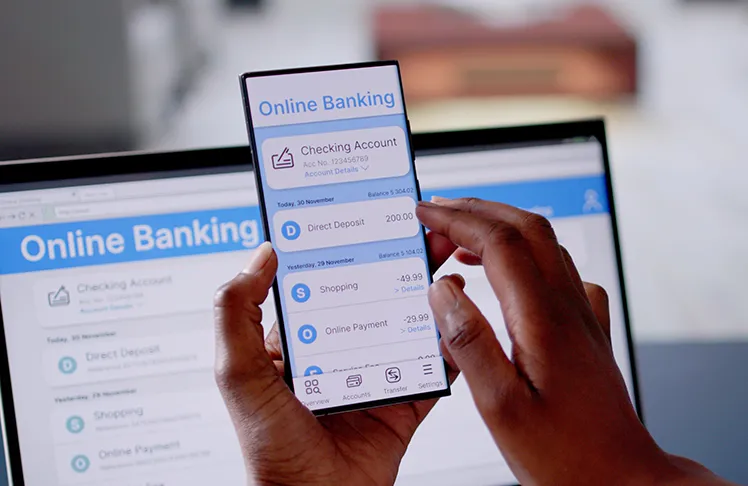
3. Review Your Bank Statements Closely
Only when you are confident that your accounts are entirely secure can you proceed to review your bank statements. Go back through the last couple of months and check for transactions you might not recognize, especially small recurring ones, as those could be tests by fraudsters.
If you find something unfamiliar, report it immediately. Most institutions have zero-liability fraud protection if you act fast. Even if everything looks fine, this exercise builds awareness of your spending and helps you spot patterns you might want to change.
4. Audit Your Alerts and Security Settings
You might already get text or email notifications for large transactions—but are they set up for every account? Take this opportunity to check your fraud alerts, login notifications, and spending limits.
Some apps and banks allow you to set the alerts for particular types of activities — for example, transactions over $100 or purchases outside your city. Tailor them to your comfort level. That way, you’ll know instantly if someone’s trying to use your card halfway across the country.
5. Check Your Credit Reports
If you head over to AnnualCreditReport.com, you can get your free credit reports from the three main credit bureaus: Experian, TransUnion, and Equifax. Look for any unfamiliar accounts or inquiries.
You can also freeze your credit as a precautionary measure — it’s completely free and won’t impact your score. By doing so, you will block the opening of new credit accounts under your name unless you temporarily remove the freeze, which effectively stops most kinds of identity theft.
6. Secure the Physical Stuff Too
Digital security is key, but don’t forget about the paper trail. Look through your old bank statements, tax returns, and pre-approved credit offers and shred any that you don’t need. Passports, Social Security cards, and financial documents should be kept in a fireproof lockbox or safe.
If you have sensitive documents on your computer, either encrypt the files or transfer them to a secure cloud storage system. As an extra security measure, you can make sure they’re password-protected.
7. Review Insurance, Wills, and Beneficiaries
Financial security means not only the prevention of theft but also the safety of your near and dear ones. Spend an hour to make sure your life insurance, retirement accounts, and will all list the correct beneficiaries.
After significant life events such as marriage, divorce, or childbirth, it’s easy to forget to update your beneficiary details. At the same time, having correct information now can save you lots of confusion and frustration later on.
Why Devote a Full Day?
Because if you don’t do it all at once, it’s easy to push it off indefinitely. Dedicating a whole day, like a Sunday morning with your favorite coffee, allows you to really focus. You will end up with clean digital accounts, updated passwords, and the confidence that you’re financially secure heading into the year ahead.
Think of it as a personal finance reset button. In just a few hours, you can protect what you’ve worked so hard to earn — and set yourself up for a safer, calmer year.
Finances FYI is presented by JPMorgan Chase. JPMorgan Chase is making a $30 billion commitment over the next five years to address some of the largest drivers of the racial wealth divide.