

Finances FYI Presented by JPMorgan Chase
January always feels like a fresh start. New calendars, new goals, new routines.
But there’s something most people overlook: your wallet. Yep — those credit cards, debit cards, gift cards, punch cards, random membership cards, all living together in one crowded space.
The beginning of the year is actually the perfect time to sort through what you’re carrying, what you’re paying for, and what might be quietly costing you money. Think of it as a quick financial tune-up that sets the tone for the rest of the year.
Here’s why it matters and a simple way to do it.
Why January Is the Best Time for a Wallet Audit
1. A lot of card perks reset on Jan. 1.
Many credit cards reset their yearly benefits at the beginning of the year — things like travel credits, statement credits, or lounge passes. If you didn’t use them last year, they’re gone.
Doing a quick check now helps you spot what you missed and what you can capitalize on moving forward.
2. Credit card costs change all the time.
Annual fees increase. Reward categories shift. New competing cards launch. A card you opened two years ago might not fit your spending habits anymore. Money Management International recommends reviewing your card lineup once a year because people often get charged for annual fees they don’t want to pay.
If you have a card you barely use, but are still paying a huge fee to keep it open, this is the perfect time to rethink it.
3. Subscription creep is real — and often hidden.
Your wallet is home to gym memberships, club cards, and novelty memberships you forgot you signed up for. But the real danger may be the subscriptions tied to the cards inside your wallet. Financial experts are increasingly sounding the alarm on “subscription debt,” where small charges pile up without you noticing.
A January audit lets you spot those overlapping or unused memberships before another year of charges sneaks up on you.
4. Your spending habits probably changed last year.
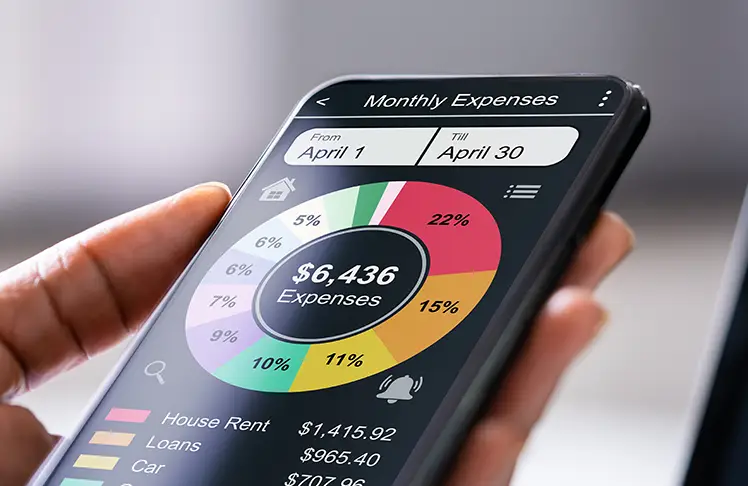
Most credit card companies offer year-end summaries that show what you spent the most money on: groceries, gas, dining, travel, etc. Bankrate suggests using those summaries to ensure your spending habits still fit your lifestyle and you’re using your credit card rewards appropriately.
If your top spending category is groceries but your main card rewards travel, you’re leaving cash-back on the table.
How to Do a Quick, No-Stress Wallet Audit
Step 1: Empty everything onto a table. Seriously — dump the whole thing out. Include digital wallets on your phone. You want to see all the cards you carry or use.
Step 2: Sort them into three groups: things you use all the time, things you rarely use, and things you forgot you even had.
Step 3: Look closely at your cards and ask yourself: Am I actually using the perks? Does the rewards structure match how I regularly spend money? Is the annual fee worth it? Have the terms changed?
If the card adds more stress than value, it may be time to downgrade it or stop carrying it.
Step 4: Review memberships, gift cards, and subscriptions. This is where people often find the most significant savings.
Step 5: Decide what stays and what goes. Keep the cards that work for you and cancel the ones that don’t. Just be mindful that canceling a credit card may affect your credit score, especially if it’s an older account.
Step 6: Make a simple “financial map.” Nothing fancy — just a note in your phone with which cards you actually plan to use, annual fee dates, perks you need to use this year, and memberships to review later. Not only does this give you a clear picture of your finances, but it also helps you save so much money over time.
Step 7: Do it again next year! Experts recommend annual card reviews to stay on top of fees and benefits, so put it on your calendar now.
A Simple Reset With Big Payoff
You don’t have to overhaul your finances to start the year strong. Sometimes it’s as simple as cleaning out your wallet. In under an hour, you can ditch cards you don’t need, cut sneaky costs, and make sure the cards you do use actually support your goals.
It’s something that seems so small, but is so significant—especially for money-conscious adults who want to be intentional with every dollar in the year ahead.
Finances FYI is presented by JPMorgan Chase. JPMorgan Chase is making a $30 billion commitment over the next five years to address some of the largest drivers of the racial wealth divide.