
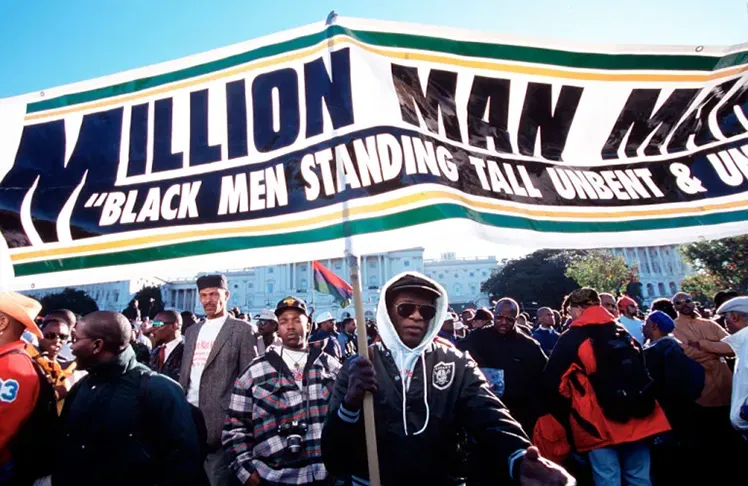
Although three decades have passed since the historic Oct. 16, 1995, Million Man March, I have vivid memories of that amazing day on the National Mall. Bill Clinton was the president of the United States, and many in the halls of Congress were nervous about 1 million Black men converging on D.C.
All the ingredients for a memorable day were present; the weather was beautiful, and the energy was electrifying! Walking through the streets of Washington, D.C., affectionately known as Chocolate City, was exhilarating for so many proud Black men of all ages who had crowded Metro stations across the city. To add to the millions of Black men moving through D.C., hundreds of Black women could be seen stopping traffic on D.C. streets, holding signs that read, “We love Black men,” as we made our way to the gathering.
I promised to become a better son, father, husband, and change agent.
Filling the cityscape were the sounds of horns blaring and men in cars, buses, and on foot who were all excited to make history and reclaim what it meant to be a Black man in America. This event was not just a march; it was a momentous occasion that will forever be etched in the annals of American history. It was a powerful display of unity and purpose, inspiring us all to strive for a better future. It was a moment that connected Black men to a larger movement.
Like many of our ancestors who took the bold and audacious step to attend the march on Washington for Jobs and Freedom on Aug. 28, 1963, I stood 10 toes down on the mall. There, acknowledging my shortcomings, I vowed to atone for drinking, smoking, and behaving recklessly. I promised to become a better son, father, husband, and change agent.

Raised in West Baltimore, I had already experienced my fair share of traumas and disappointments by the time I was 27. I was fortunate to attend the march with several childhood friends who each harbored their own battle scars, trials, and tribulations. Decades later, while many debate the significance and impact of the march, its influence is ongoing.
Thousands of Black men returned to their communities, joined organizations, and registered to vote as a direct result of the inspiring messages delivered at the march. Others continue to do life-affirming work in communities motivated by the legacy of the march, ensuring that its impact is felt for generations to come, giving us all hope and inspiration for the future.
Responding to a Radical Call to Action
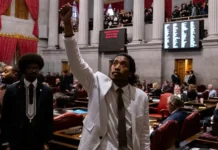
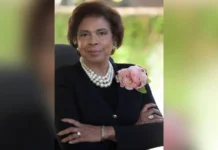
Thirty years later, I still remember the insightful words of 12-year-old Ayinde Jean-Baptiste, Rosa Parks’ uplifting and spiritual message for Black men to reclaim our families, and the radical call to action delivered by the Honorable Louis Farrakhan.
From blue-collar workers to surgeons, men stood shoulder to shoulder, cheering, laughing, and crying, reimagining Black masculinity, and harnessing the energy needed to transform Black communities. I vividly remember standing next to an older brother with a thick salt-and-pepper beard that distinguished his age and wisdom. He shared that he had lived a fantastic life, partly due to his thriving dental practice. Then he mentioned attending the march to learn ways to give back to his community by creating a pipeline to recruit, educate, and train Black male dentists.
Thousands of Black men returned to their communities, joined organizations, and registered to vote as a direct result of the inspiring messages delivered at the march.
Another brother, who was a Gangster Disciple from the Midwest, attended with his son. The brother had been gang banging since age 12 and participated in the march to learn strategies to transform the gang culture in his community. Years later, I reconnected with the brother to do some work in Peoria, IL, and we recollected the power of the march and collective work needed to improve the lives of young Black men. These diverse stories and experiences were a testament to the inclusivity and broad impact of the Million Man March. They showed that the march was not just a gathering of Black men, but a coming together of individuals from all walks of life, united in their commitment to change and progress.
The Work and the Promise Continue
While I was already engaged in transformational work with Black men and boys in Baltimore City, the march served as a catalyst for me to radically redefine my work and expand opportunities for Black men and boys who continued to be marginalized and disenfranchised within society. The march symbolized a great awakening and a chance to celebrate the best of Black manhood, as well as ways to join forces with like-minded Black men to advance work with Black men and boys. The energy and unity I witnessed at the march fueled my determination to make a difference. It was a turning point in my life, a moment of personal growth and transformation that filled me with hope and motivation.
Today, we still live in two Americas, battling for racial equity and the promises of equal protection under the law. Mass incarceration, community violence, underemployment, homelessness, and police brutality remain polarizing challenges that impact Black men and families. The deaths of Trayvon Martin, Sandra Bland, Breonna Taylor, and George Floyd are painful and constant reminders of the insidiousness of racism and police brutality.

The struggle for racial justice is ongoing, and the lessons and inspiration from the Million Man March continue to guide our efforts to create a more equitable and just society. We must continue to fight, to speak out, and to work together to bring about the change we want to see. The urgency of these challenges should inspire us to act now, to not wait for another tragedy to spur us into action.
As we celebrate the 30th anniversary of the march, we need a continued focus on decreasing violence among Black men, greater advocacy around maternal health among Black women, programs to assist Black men returning to communities after incarceration, and more workforce options for Black men.
Given the current racial animus and divisiveness present in society, it is important that as Black men we remember the original call from the 1995 march: atonement, reconciliation, and responsibility. This call is as relevant today as it was 30 years ago, and it is our collective duty to uphold these principles and work toward a more just and equitable society.
David C. Miller, Ph.D., is co-lead for the Baltimore Rites of Passage Initiative, and author of “Dare To Be King: What If the Prince Lives.” David is married and is the proud father of three young adults.