

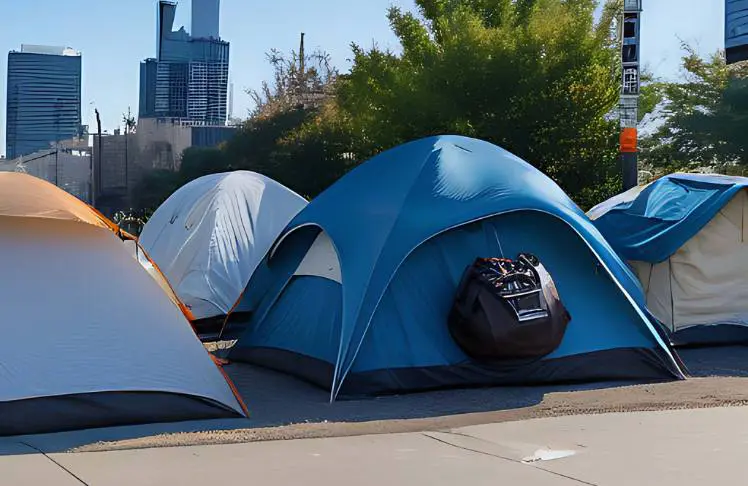
In a bid to address the growing homelessness crisis, the city of Portland, will be implementing a new daytime camping ban starting November 13th. As Portland police begin enforcing the city’s daytime unsanctioned camping ban, Mayor Ted Wheeler’s new measure is aimed at striking a balance between the needs of the homeless population and the concerns of local residents and businesses.
Portland, like many cities across the United States, has been grappling with a significant increase in homelessness in recent years. Companies like Raimore Construction has offered hope for people that are willing to work hard for a better than livingcwage. Still, the city has seen a rise in tent encampments on sidewalks, parks, and other public spaces. While these encampments provide temporary shelter for those experiencing homelessness, they have also raised concerns about public safety, sanitation, and the overall livability of the city.
The implementation of the daytime camping ban is a response to the challenges faced by both the homeless population and the city. The ban aims to strike a balance by addressing the concerns of local residents and businesses, while also providing support and assistance to those experiencing homelessness.
One of the primary concerns surrounding the tent encampments is public safety. The presence of tents can obstruct sidewalks, making it difficult for pedestrians to navigate. Additionally, there have been instances of fires, drug use, and other illegal activities in some camps. The ban aims to mitigate these risks and ensure the safety of all residents. Mayor Wheeler is urging Portland residents to call 311 rather than 911 to report unsanctioned camping unless there’s an emergency or life safety issue.
The presence of tent encampments near businesses has been a cause for concern. Business owners argue that it can deter customers and impact their livelihoods. By implementing the daytime camping ban, the city hopes to address these concerns and create a more conducive environment for businesses to thrive.
The ban restricts daytime camping however, the focus will be on connecting individuals with shelters, affordable housing, and social services to help them transition out of homelessness. Critics argue that the implementation of the ban without increasing alternative options for shelter may exacerbate the problem, pushing individuals into hidden or less visible areas. They emphasize the importance of a comprehensive approach that includes affordable housing, mental health services, and addiction treatment to effectively tackle homelessness.